




The Short Answer
Premises liability is a legal principle that may hold property owners, occupiers, landlords, business owners, or property managers responsible when unsafe property conditions cause injuries. These cases often involve hazards like wet floors, broken stairs, poor lighting, falling objects, negligent security, dog bites, or other dangers on someone else’s property.
Premises liability is usually based on negligence. This means the injured person generally must show that the property owner or another responsible party failed to use reasonable care. In other words, the property owner may be liable if they knew or should’ve known about a dangerous condition and failed to fix it, block it off, or warn visitors before someone got hurt.
Not every injury on someone else’s property leads to a valid premises liability claim. The facts matter, including why the injured person was on the property, how the hazard happened, how long it existed, and whether the owner had a fair chance to address it. With the help of a premises liability attorney, injured people can seek damages for their injuries and other losses.
Key Takeaways
- Premises liability applies when someone is hurt because of an unsafe condition on another person’s property.
- These claims can involve homes, stores, apartment buildings, sidewalks, parking lots, restaurants, hotels, and other public or private places.
- A premises liability claim usually requires proof of duty, breach of duty, causation, and damages.
- The property owner’s responsibility may depend on whether the injured person was an invitee, licensee, or trespasser.
- Property owners aren’t automatically liable for every injury that happens on their property.
- Evidence such as photos, videos, incident reports, witness statements, medical records, and maintenance records can help support a claim.
Table of Contents
- Tennessee Premises Liability Laws
- Who Can Be Held Responsible in a Premises Liability Case?
- What Are the 4 Elements of a Premises Liability Claim?
- Common Examples of Premises Liability Claims
- How Visitor Status Can Affect a Premises Liability Claim
- What Is the Attractive Nuisance Doctrine?
- What Is “Notice” in a Premises Liability Case?
- What Duties Do Landlords Owe to Tenants and Guests?
- What Should You Do After Getting Hurt on Someone Else’s Property?
- What Defenses Are Common in Premises Liability Cases?
- How Can Fault Affect Compensation?
- What Compensation May Be Available in a Premises Liability Claim?
- How Does Insurance Affect a Premises Liability Claim?
- FAQs: Premises Liability
- Contact a Premises Liability Lawyer
Tennessee Premises Liability Laws
Premises liability is part of personal injury law in Tennessee. It applies when someone is hurt because of an unsafe condition on another person’s property. A “premises” can include homes, stores, restaurants, parking lots, sidewalks, apartment buildings, hotels, workplaces, and other public or private properties.
In general, Tennessee law focuses on whether the property owner, occupier, landlord, business owner, or another responsible party acted reasonably to prevent harm. A property owner is not automatically liable just because someone was hurt on their property. The injured person usually must show that the responsible party owed them a duty of care, failed to meet that duty, and caused their injuries.
Several Tennessee laws and legal rules may affect a premises liability claim. Under Tenn. Code Ann. § 28-3-104, most personal injury claims must be filed within 1 year. Tenn. Code Ann. § 29-34-208 addresses when a possessor of real property may be liable for harm to a trespasser. Tenn. Code Ann. § 70-7-102 may also apply in some cases involving recreational use of land.
These laws may affect who can be held responsible, how long an injured person has to file a lawsuit, and what duties a property owner owes to different types of visitors. The rest of this guide explains how premises liability works, what evidence can support a claim, and what steps to take after getting hurt on someone else’s property.
Who Can Be Held Responsible in a Premises Liability Case?
The person or company responsible for a premises liability injury is usually the party that owned, controlled, managed, or maintained the property when the injury happened. In some cases, more than 1 party may share responsibility.
Potentially responsible parties may include:
- Property owners: A property owner may be responsible if they failed to keep the property reasonably safe or failed to warn visitors about a dangerous condition.
- Business owners: Stores, restaurants, hotels, and other businesses may be liable when unsafe conditions hurt customers, clients, or other lawful visitors.
- Landlords: A landlord may be responsible for injuries caused by hazards in common areas, unsafe repairs, building code issues, or known dangers they failed to address.
- Tenants or renters: A tenant may be liable if they controlled the area where the injury happened or created the dangerous condition.
- Property managers: A property management company may be responsible if it was hired to inspect, maintain, repair, or secure the property and failed to do so.
- Government entities: If the injury happened on public property, a city, county, state agency, or other government entity may be involved. These claims often have shorter deadlines and special notice rules.
- Maintenance or security companies: A third-party company may be responsible if poor maintenance, careless repairs, inadequate security, or another failure contributed to the hazard.
Determining who is responsible depends on the facts of the case. Your lawyer will usually need to determine who had control over the area, who knew or should have known about the hazard, and who had the power to fix it or warn others. An attorney can help you identify all liable parties to help ensure you seek the full compensation you may be owed.
What Are the 4 Elements of a Premises Liability Claim?
To bring a premises liability claim, the injured person generally must show that the property owner or another responsible party was negligent. Negligence means the responsible party failed to act with reasonable care, and that failure caused someone to get hurt.
Most premises liability claims are based on 4 main elements: duty of care, breach of duty, causation, and damages.
1. Duty of Care
Duty of care means the responsible party had a legal duty to keep the property reasonably safe. This duty may belong to a property owner, business owner, landlord, property manager, tenant, or another party that controlled the area where the injury happened.
The level of care required can depend on the facts of the case, including where the injury happened and why the injured person was on the property.
2. Breach of Duty
A breach of duty happens when the responsible party fails to act with reasonable care. In a premises liability case, this may mean they failed to fix a dangerous condition, inspect the property, block off an unsafe area, or warn visitors about a hazard.
Examples may include leaving a spill on the floor, ignoring a broken handrail, failing to repair unsafe stairs, or not providing proper lighting in a parking lot.
3. Causation
Causation means the unsafe condition caused the injury. It’s not enough to show that a hazard existed. The injured person must connect the hazard to what happened.
For example, if someone slips on a wet grocery store floor and suffers a back injury, they may need evidence showing that the wet floor caused the fall and that the fall caused the injury.
4. Damages
Damages are the losses the injured person suffered because of the injury. These losses may include medical bills, lost income, pain, reduced quality of life, and other costs tied to the accident.
Without damages, there’s usually no premises liability claim, even if the property owner acted carelessly.
Common Examples of Premises Liability Claims
Premises liability claims can happen in many different places, including stores, apartment buildings, restaurants, hotels, parking lots, sidewalks, private homes, and public properties. These cases often involve unsafe conditions that the property owner or another responsible party failed to fix, inspect for, or warn visitors about.
Slip and fall accidents often happen when floors are wet, slick, uneven, or poorly maintained. Common causes include spills, freshly mopped floors, loose mats, leaking coolers, tracked-in rainwater, or waxed floors without proper warning signs.
Negligent security claims may involve assaults, robberies, or other crimes that happen because a property owner failed to take reasonable safety steps. These cases may involve poor lighting, broken locks, missing security cameras, unsafe parking lots, or a history of similar incidents on the property.
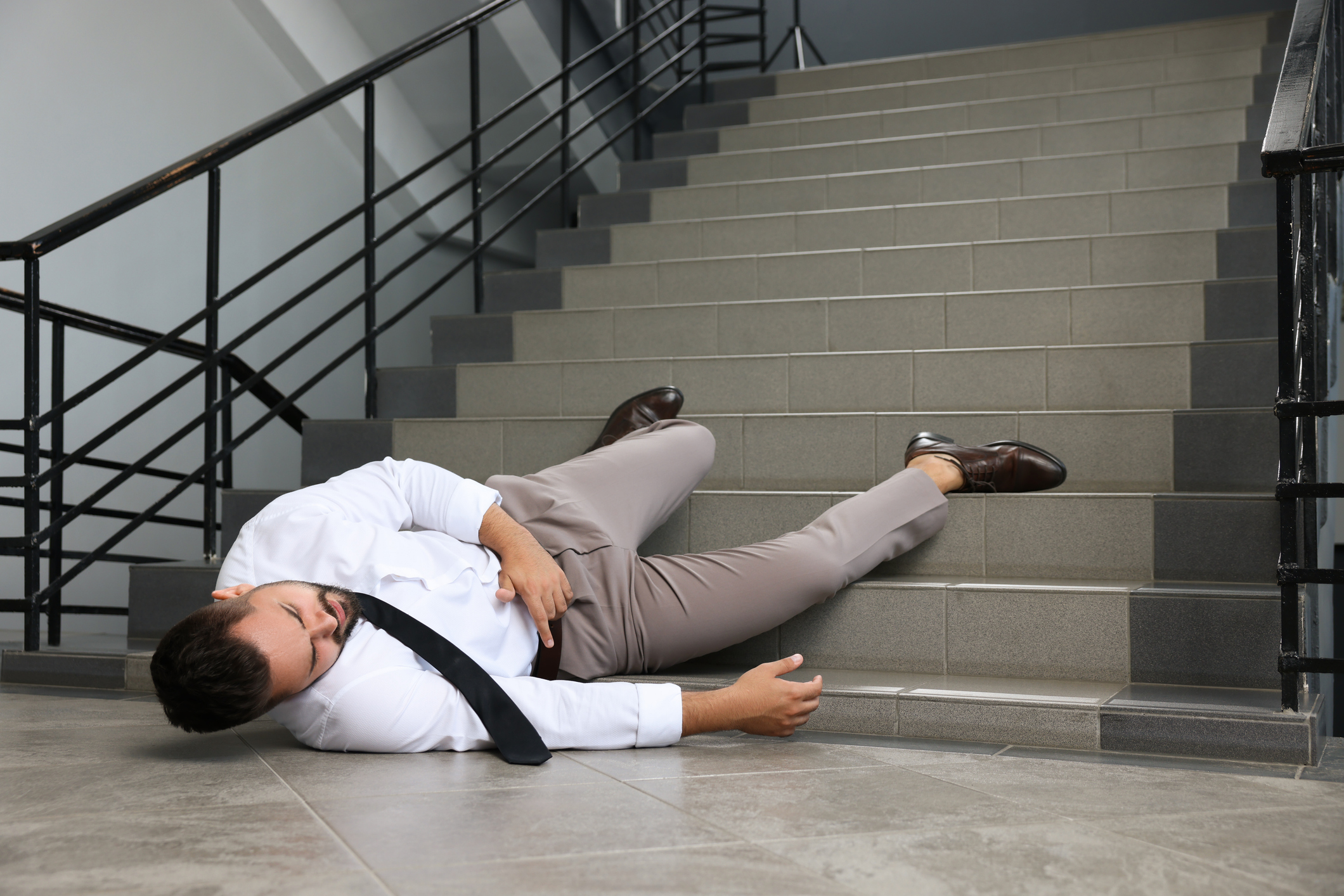
Unsafe stairs or railings can cause serious falls. Hazards may include broken steps, loose handrails, missing railings, uneven stair heights, poor lighting, slick surfaces, or failure to follow building safety rules.
Falling objects and structural failures can happen when property is not safely built, inspected, stored, or maintained. These claims may involve collapsing decks, falling merchandise, ceiling failures, loose signs, falling debris, or unsafe shelving.
Dog bites and animal attacks may happen on private property, apartment complexes, public spaces, or business properties. A claim may involve a property owner, dog owner, landlord, or another party, depending on who controlled the animal or the property.
Swimming pool accidents may involve drowning, near-drowning, slip and falls, unsafe pool decks, missing barriers, broken gates, poor supervision, or failure to follow pool safety rules. These cases can be especially serious when children are injured.
Elevator and escalator injuries may happen when equipment is poorly maintained, defective, or not inspected. Examples include sudden drops, uneven elevator leveling, broken doors, abrupt stops, trapped clothing, or escalator step defects.
Poor lighting can make it harder for visitors to see hazards, steps, uneven pavement, or unsafe areas. These claims often involve parking lots, stairwells, hallways, entrances, apartment complexes, and businesses open after dark.
Ice, snow, and wet floor hazards can create dangerous walking conditions. These claims may involve untreated sidewalks, slick entrances, melting snow, leaking roofs, wet store aisles, or failure to place warning signs when floors are slippery.
How Visitor Status Can Affect a Premises Liability Claim
A visitor’s status can affect what a property owner or occupier owes them under Tennessee premises liability law. In general, the law looks at why the person was on the property, whether they had permission to be there, and whether the property owner acted reasonably under the circumstances.
An invitee is someone who is invited onto the property for a business purpose or another purpose that benefits the property owner. Customers in stores, patients at medical offices, hotel guests, restaurant guests, and clients visiting a business are common examples of invitees.
Property owners generally owe invitees a high duty of care. This may include checking the property for hazards, fixing unsafe conditions, and warning visitors about dangers the owner knows or should know about.
A licensee is someone who has permission to be on the property for a social or personal reason. Social guests, friends, family members, and others allowed onto the property for non-business reasons may be considered licensees.
Property owners generally must warn licensees about known dangers that are not obvious. For example, if a homeowner knows a step is broken or a deck railing is loose, they may need to warn a guest or take reasonable steps to fix the problem.
A trespasser is someone who enters or stays on property without actual or implied permission. Property owners usually owe trespassers a lower duty of care than lawful visitors. However, there may be exceptions, especially when children are involved or when the property owner acts willfully or recklessly. For example, a property owner generally cannot intentionally create a hidden danger meant to harm trespassers.
What Is the Attractive Nuisance Doctrine?
The attractive nuisance doctrine may apply when a dangerous condition on a property is likely to draw children onto the property and put them at risk of injury. This rule recognizes that children may not fully understand certain dangers, even when they are trespassing.
Attractive nuisance claims often involve hazards that may catch a child’s attention, such as swimming pools, abandoned equipment, old appliances, unsecured structures, trampolines, wells, or construction areas. If a property owner knows children may enter the property and knows a dangerous condition could seriously harm them, they may need to take reasonable steps to prevent injuries.
Reasonable safety steps may include fencing off a pool, locking a gate, securing abandoned equipment, covering a dangerous opening, or warning others about the hazard. These cases depend heavily on the facts, including the child’s age, the type of danger, whether the owner knew children were likely to be nearby, and whether the owner could have taken reasonable steps to reduce the risk.
What Is “Notice” in a Premises Liability Case?
Notice is one of the most important issues in many premises liability claims. It refers to whether the property owner or another responsible party knew or should’ve known about the dangerous condition before the injury happened.
There are 2 common types of notice:
- Actual notice: The property owner knew about the hazard. For example, an employee saw a spill, a tenant reported a broken stair, or a customer told staff about a dangerous condition before someone was hurt.
- Constructive notice: The property owner may not have known about the hazard directly, but they should have known about it through reasonable care. For example, a spill that sat on the floor for a long time, a recurring leak, repeated complaints, or a dangerous condition that regular inspections should have found may support constructive notice.
Timing matters in these cases. If a spill happened seconds before a fall, it may be harder to prove the property owner had a reasonable chance to discover and fix it. If the hazard existed for a long time, happened repeatedly, or was part of an ongoing problem, the injured person may have a stronger argument that the property owner should have known about it.
Evidence that may help prove notice includes photos, videos, incident reports, maintenance logs, inspection records, witness statements, prior complaints, repair requests, surveillance footage, and employee testimony.
What Duties Do Landlords Owe to Tenants and Guests?
Landlords may be responsible for injuries that happen on rental property when the injury is tied to an unsafe condition the landlord controlled, knew about, or should have addressed. These cases often involve common areas that tenants and guests are expected to use, such as stairs, hallways, parking lots, sidewalks, laundry rooms, elevators, entrances, shared decks, and outdoor walkways.
A landlord’s duties may include making reasonable repairs, responding to known hazards, keeping common areas reasonably safe, and addressing safety concerns that violate lease terms, housing rules, or building codes. For example, a landlord may be responsible if someone is hurt because of a broken stair, loose railing, poor lighting, unsafe flooring, a damaged lock, or a hazard that was reported but not repaired.
Landlord liability depends on the facts of the case. Key questions include who controlled the area where the injury happened, whether the landlord knew or should have known about the hazard, whether the landlord had time to fix it, and whether the unsafe condition caused the injury.
What Should You Do After Getting Hurt on Someone Else’s Property?
What you do after getting hurt on someone else’s property can affect your health and your ability to bring a premises liability claim. Try to protect yourself, document what happened, and avoid doing anything that could make it harder to prove your case later.
Report the injury to the property owner, manager, landlord, or employee as soon as you can. Ask for an incident report if the injury happened at a business, apartment complex, hotel, restaurant, or public property. Request a copy if one is available.
Take photos and videos of the hazard that caused your injury before it is cleaned up, repaired, or removed. Try to capture the surrounding area, lighting, warning signs or lack of signs, weather conditions, and anything else that helps show what happened.
If anyone saw the injury happen or noticed the hazard before you were hurt, ask for their name and contact information. Witnesses may help confirm how the injury happened, how long the hazard existed, or whether the property owner knew about the problem.
Be careful about giving recorded statements, signing forms, or discussing fault with an insurance company before you know the full extent of your injuries. You can report the basic facts, but avoid guessing, apologizing, or saying you’re fine if you’re hurt.
Get medical care as soon as possible, even if your injuries seem minor at first. Some injuries get worse over time. Medical records can also connect your injuries to the incident and show the treatment you needed.
Keep the shoes and clothing you were wearing when you were hurt. Don’t wash, throw away, or repair them. Save receipts, medical bills, prescriptions, repair records, emails, photos, and any other documents tied to the incident.
A premises liability attorney from The McMahan Law Firm can help identify who may be responsible, gather evidence, deal with the insurance company, and explain your legal options. This can be especially helpful if the property owner denies fault, evidence may disappear, or your injuries require ongoing care.
What Defenses Are Common in Premises Liability Cases?
Property owners, businesses, landlords, insurance companies, and other responsible parties may raise defenses to avoid paying a premises liability claim or to reduce the amount they owe. These defenses often focus on notice, fault, causation, and whether the injured person had a legal right to be in the area where the injury happened.
A property owner may argue that they didn’t know about the dangerous condition before the injury happened. They may also claim that the hazard appeared so suddenly that they didn’t have enough time to find it, fix it, or warn visitors.
This defense is common in cases involving spills, ice, debris, or other hazards that may appear quickly.
The property owner may argue that the hazard was open and obvious, meaning a reasonable person should’ve seen and avoided it. For example, they may claim that a large hole, visible step, wet floor, or blocked walkway was clear enough that the injured person should’ve noticed it.
This doesn’t always end a claim. The facts still matter, including lighting, distractions, crowding, warning signs, and whether the person had a reasonable way to avoid the hazard.
The insurance company may argue that the injured person caused or contributed to their own injury. They may claim the person wasn’t watching where they were going, ignored warning signs, wore unsafe shoes, entered a restricted area, or failed to use reasonable care.
In Tennessee, fault can affect compensation. If the injured person is found partly at fault, their recovery may be reduced. If they are 50% or more at fault, they generally can’t recover damages.
A property owner may argue that the injured person was in a restricted, private, or unsafe area where visitors were not allowed. This may include employee-only areas, locked spaces, construction zones, storage rooms, rooftops, or fenced-off sections of property.
This defense may affect the duty the property owner owed, especially if the injured person didn’t have permission to be in that area.
The property owner or insurance company may argue that the hazard didn’t actually cause the injury. For example, they may claim the person fell for another reason, had a pre-existing condition, or can’t prove the unsafe condition led to their medical problems.
Medical records, photos, witness statements, video footage, and incident reports can help connect the dangerous condition to the injury.
How Can Fault Affect Compensation?
Fault can affect how much compensation an injured person may recover in a premises liability claim. Tennessee follows a modified comparative fault rule. This means more than 1 party can be assigned a percentage of fault for the injury.
For example, a property owner may be partly at fault for failing to fix a hazard, while the injured person may be partly at fault if they ignored a warning sign or failed to use reasonable care.
If the injured person is found partly responsible, their compensation may be reduced by their percentage of fault, but if the injured person is 50% or more at fault, they generally can’t recover damages in Tennessee. For example, if someone has $100,000 in damages but is found 20% at fault, their compensation may be reduced to $80,000. If they are found 50% or more at fault, they may not be able to recover compensation at all.
Because fault can have a major impact on a premises liability claim, evidence matters. Photos, videos, witness statements, incident reports, warning signs, maintenance records, and medical records can help show what happened and who may be responsible.
What Compensation May Be Available in a Premises Liability Claim?
A premises liability claim lawyer may help an injured person recover compensation for the losses caused by unsafe property conditions. The amount available depends on the severity of the injury, the cost of medical care, how the injury affects the person’s work and daily life, and the amount of fault assigned to each party.
Compensation may include:
- Medical Bills: This may include emergency room care, hospital stays, doctor visits, surgery, physical therapy, medication, medical equipment, and other treatment costs.
- Future Medical Care: If the injury requires ongoing treatment, compensation may include future surgeries, follow-up care, rehabilitation, pain management, or long-term medical support.
- Lost Wages: If the injured person missed work while recovering, they may be able to seek compensation for lost income.
- Reduced Earning Ability: If the injury limits the person’s ability to work in the future, they may be able to seek compensation for reduced earning capacity.
- Pain and Suffering: This may include physical pain, discomfort, loss of enjoyment of life, and the effect the injury has on daily activities.
- Emotional Distress: Some injuries cause anxiety, fear, sleep problems, depression, or other emotional harm.
- Disability or Disfigurement: Serious injuries may lead to permanent limitations, scarring, amputation, mobility issues, or other lasting changes.
- Out-of-Pocket Costs: This may include transportation to medical appointments, home modifications, assistive devices, childcare, or other expenses caused by the injury.
Every case is different. An attorney can review the evidence, calculate current and future losses, and explain what compensation may be available based on the facts of the claim.
How Does Insurance Affect a Premises Liability Claim?
Insurance often plays a major role in premises liability claims. Depending on where the injury happened, the claim may involve homeowners’ insurance, renters’ insurance, business liability insurance, commercial property insurance, or another type of policy.
After a claim is filed, the insurance company may investigate what happened. This may include reviewing photos, medical records, incident reports, witness statements, maintenance records, and surveillance footage. The insurer may also ask for a recorded statement, dispute who was at fault, question the severity of the injuries, or argue that the policy doesn’t cover the full claim.
FAQs: Premises Liability
No, a property owner is not automatically liable just because someone was hurt on their property. The injured person usually must show that the property owner or another responsible party failed to use reasonable care. This may include proving that the owner knew or should have known about a dangerous condition and failed to fix it or warn visitors.
If you’re unsure whether a property owner may be responsible for your injury, speaking with a premises liability attorney can help you understand your options.
The timeline depends on the facts of the case. Some claims settle in a few months, while others take longer if the injury is serious, liability is disputed, medical treatment is ongoing, or a lawsuit must be filed.
A case may take more time when the insurance company denies fault, claims the injured person caused the accident, or disputes the value of the damages. While every case is different, a premises liability attorney can give you a better idea of what to expect after reviewing your injuries, evidence, and insurance issues.
Contact a Premises Liability Lawyer
After an injury on someone else’s property, you may be dealing with pain, medical bills, missed work, insurance questions, and uncertainty about who is responsible. You don’t have to figure out fault, legal deadlines, or the claims process alone.
A premises liability lawyer can review what happened, identify the property owner or other responsible parties, gather evidence, deal with the insurance company, and explain your legal options. This can be especially helpful if the property owner denies responsibility, the insurance company blames you, or your injuries may require ongoing care.
Contact us today for a free consultation. We can listen to your story, answer your questions, and help you understand the next steps in your premises liability claim.