





Short Answer
Our attorneys have identified 5 common mistakes that can make it harder to prove what happened and pursue fair compensation after a car accident: not calling the police, failing to document the scene, delaying medical treatment, giving the other driver’s insurance company a recorded statement, and settling before the full effects of the accident are known. Attorney Jay Kennamer recommends creating an objective record from the beginning and speaking with a local car accident lawyer before an insurer can use missing evidence, gaps in treatment, or your own words to reduce the value of your claim.
Key Takeaways
- Call the police instead of relying solely on information provided by the other driver. Law enforcement can help confirm the drivers’ identities, vehicle ownership, and available insurance.
- Photograph both vehicles from all 4 corners, capture the license plates and surrounding roadway, and collect witnesses’ names and telephone numbers.
- Seek appropriate medical attention promptly, even if pain isn’t severe immediately after the accident. Delayed symptoms are possible, and a gap in treatment may give the insurer an opportunity to question the connection between the accident and your injuries.
- Speak with an attorney before giving the other driver’s insurer a recorded statement. Your own insurance policy may have separate cooperation requirements.
- Don’t accept a settlement until you understand the likely extent of your injuries, medical needs, lost income, and other losses. Signing a release generally ends your ability to pursue additional payment.
- The attorneys at The McMahan Law Firm can investigate the accident, communicate with the insurance companies, document your losses, and review a settlement offer before you make a final decision.
Table of Contents
- 1. Relying on the Other Driver Instead of Calling the Police
- 2. Not Documenting the Accident Scene
- 3. Delaying Medical Treatment
- 4. Giving the Insurance Company a Recorded Statement
- 5. Settling the Claim Too Soon
- How The McMahan Law Firm Can Help After a Car Accident
- Frequently Asked Questions
- Talk to The Insiders Before You Settle Your Car Accident Claim
1. Relying on the Other Driver Instead of Calling the Police
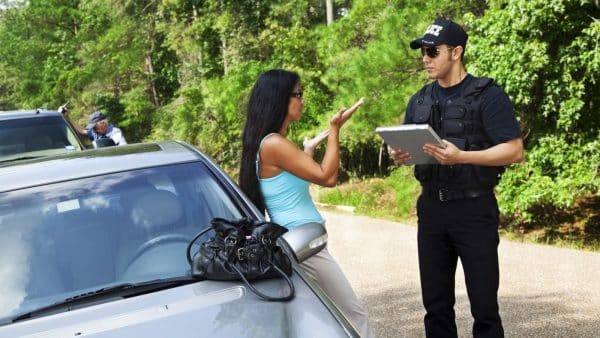
The other driver may seem cooperative after an accident. They may provide a phone number, promise to pay for the damage, or say there is no reason to call the police. Attorney Jay Kennamer warns against relying on these promises. The driver could later stop responding, change their account, deny responsibility, or provide inaccurate insurance information.
Calling law enforcement creates an independent record of the collision. A responding officer may document:
- The drivers’ identities, licenses, and insurance information
- The vehicles, owners, license plates, and visible damage
- The time, location, and conditions at the scene
- Statements from the drivers and witnesses
- Any citations issued
A police report doesn’t make the final decision about fault. However, it provides evidence that can be compared with photographs, witness accounts, medical records, and vehicle damage. Without that record, the claim may come down to conflicting versions of what happened.
Call 911 if someone may be injured or the accident creates an immediate danger. For a non-emergency accident, contact the appropriate local law enforcement agency. An officer may not respond to every minor collision, but attempting to report it helps prevent the claim from depending entirely on the other driver’s cooperation.
Tennessee drivers may also need to file a separate report. An owner or driver must submit an Owner Operator Report when an accident causes an injury or death, more than $1,500 in property damage, or more than $400 in damage to government property. It must be filed with the Tennessee Department of Safety and Homeland Security within 20 days, regardless of fault. This requirement is separate from any report completed by an officer.
The attorneys at The McMahan Law Firm can obtain the police report, compare it with other evidence, verify the available insurance coverage, and investigate missing or conflicting information.
2. Not Documenting the Accident Scene
An accident scene can change within minutes. Vehicles may be moved, debris cleared, skid marks fade, and witnesses leave. Although police documentation is helpful, drivers should also preserve their own evidence whenever they can safely do so.
Attorney Jay Kennamer recommends taking “four-corner” photographs of each vehicle:
- Front driver’s side
- Front passenger’s side
- Rear driver’s side
- Rear passenger’s side
These photos show the overall location and pattern of damage. Drivers should also photograph:
- Each vehicle’s front, rear, and sides
- Close-up views of damaged areas
- The other vehicle’s license plate
- Wide views showing the vehicles and surrounding roadway
- Lane markings, traffic signals, stop signs, and intersections
- Skid marks, debris, barriers, or road defects
- Weather, lighting, and visibility conditions
Ask witnesses for their names and telephone numbers. Don’t assume the responding officer will speak with everyone who saw the accident.
It can also help to note where each witness was located and what they appeared to see. Avoid pressuring witnesses to assign fault or agree with your version of events. Their value comes from providing an independent account.
Don’t stand in moving traffic or worsen an injury to take photographs. If you can’t safely document the scene, a passenger, friend, or witness may be able to help.
Some evidence can disappear quickly. The attorneys at The McMahan Law Firm can look for additional evidence by locating witnesses, requesting nearby surveillance footage, obtaining 911 records, inspecting the vehicles, or visiting the accident scene.
3. Delaying Medical Treatment
Pain and other symptoms aren’t always obvious immediately after a car accident. Some may appear or worsen in the hours or days that follow. If you experience pain, stiffness, dizziness, numbness, confusion, or other concerning symptoms, seek appropriate medical attention promptly.
The priority is your health, not simply creating evidence for a claim, but an early medical evaluation also documents:
- The symptoms you reported after the accident
- The provider’s examination and any testing
- A diagnosis, when one can be made
- Recommended treatment and follow-up care
A long, unexplained gap between the accident and the first medical visit may allow the insurance company to argue that the injury was minor, resulted from another event, or would have led to earlier treatment if it had been serious. A delay doesn’t prove that someone was uninjured, but it can make it harder to show the connection between the accident and the injury.
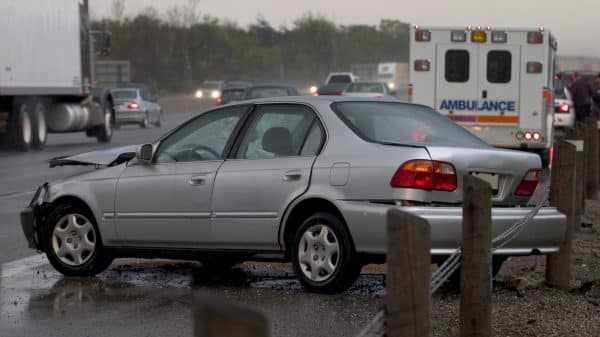
Now, declining an ambulance at the scene doesn’t automatically prevent someone from bringing a claim. Still, don’t continue postponing care if symptoms appear. Describe your symptoms accurately, follow reasonable medical instructions, attend follow-up appointments, and keep copies of bills, discharge papers, and work restrictions.
The attorneys at The McMahan Law Firm can collect and organize medical records, document how the injuries affect the client’s work and daily life, and present that information to the insurer. Treatment decisions should always remain between the injured person and their medical providers—not an attorney or insurance adjuster.
4. Giving the Insurance Company a Recorded Statement
Attorney Jay Kennamer puts it plainly: the other driver’s insurance company is not requesting a recorded statement to protect your interests. The adjuster is investigating the claim for the insurer and its policyholder.
The adjuster may compare your recording with photographs, witness accounts, medical records, or later testimony. Your answers could be used to dispute:
- How the accident occurred
- Whether you contributed to the collision
- When your symptoms began
- Whether an injury resulted from the accident
- How the injury affects your work and daily life
Even casual comments can create problems. Someone might say “I’m fine” out of politeness, guess about speed or distance, or describe their symptoms before receiving a full medical evaluation. An adjuster may also repeat a summary that sounds mostly correct but leaves out an important detail.
This warning primarily applies to the other driver’s insurance company. Your own policy is different and may require you to cooperate with your carrier’s investigation. Don’t ignore your insurer or provide false information! An attorney from our office can review the policy and explain what information you may need to provide.
If the other driver’s insurer asks for a recorded statement:
- Get the caller’s name, company, telephone number, and claim number
- Do not guess or give answers you know are incomplete
- Explain that you want legal advice before answering recorded questions
- Do not let the adjuster pressure you into responding immediately
The McMahan Law Firm can communicate with the insurance companies, determine whether a statement is required, and prepare the client when one must be given. This can help prevent an inaccurate or incomplete comment from being taken out of context.
5. Settling the Claim Too Soon
Attorney Jay Kennamer warns that an insurance company may offer money soon after an accident, before the injured person knows the full effect of their injuries.
Why an Early Offer May Be Inadequate
At this stage, you may not yet know:
- Your full diagnosis
- Whether you will need more testing or treatment
- How long recovery may take
- How much work you will miss
- Whether symptoms will become long-term
- Whether future medical care will be necessary
An early offer isn’t automatically unfair. The problem is accepting it before the reasonably foreseeable losses are known.
Don’t Rely on Promises About Medical Bills
An adjuster may offer a cash payment while suggesting that certain medical expenses will still be covered. Later, the insurer could dispute whether treatment was necessary, related to the accident, properly documented, or included in the agreement.
Verbal assurances should never replace a careful review of the written terms. The payment amount, covered expenses, deadlines, policy limits, and release language all matter.
Know What the Release Means Before You Sign
Most bodily injury settlements require the claimant to sign a release ending the claim. Once the settlement is final, the claimant generally can’t request more compensation because an injury worsens or additional bills arrive.
The National Association of Insurance Commissioners advises consumers not to feel rushed into accepting an offer they don’t believe is fair.
The McMahan Law Firm can review the person’s current and anticipated medical expenses, lost income, available insurance coverage, daily limitations, and proposed release. The client always decides whether to accept an offer, but an attorney can explain what it includes, what it leaves out, and how it compares with the documented losses.
How The McMahan Law Firm Can Help After a Car Accident
Jay’s 5 warnings point to a larger problem: insurance companies often begin investigating immediately. Meanwhile, the injured person may be dealing with pain, medical appointments, vehicle repairs, and missed work.
The attorneys at The McMahan Law Firm can take over the legal and insurance work by:
- Investigating how the accident occurred
- Obtaining police reports, photographs, videos, and witness statements
- Identifying the drivers, vehicle owners, and insurance policies involved
- Preserving evidence before it disappears
- Handling calls, recorded-statement requests, and document requests from insurers
- Gathering medical records, bills, and proof of lost income
- Documenting how the injuries affect the client’s work and daily life
- Reviewing settlement offers and release language
- Negotiating with the insurer
- Preparing the case for court if a fair resolution can’t be reached
Our firm’s 11 attorneys have represented injured people from our Chattanooga office since 1992. This team-based approach gives clients one team for their case and their future while allowing them to focus on their health and recovery.
Frequently Asked Questions
Yes. What someone says at the scene may change later. Calling the police helps create an independent record of who was involved, what each driver reported, and what the officer observed. However, the police report doesn’t make the final legal decision about fault.
A claim isn’t automatically lost because you didn’t take photographs. Other evidence may include the police report, vehicle damage, witness accounts, surveillance footage, 911 records, medical documentation, and pictures taken afterward.
Some of this evidence can disappear quickly. The McMahan Law Firm can look for available footage, locate witnesses, inspect the vehicles, and gather other records that may help show what happened.
Don’t assume you must provide an immediate recorded statement. You can tell the adjuster that you want legal advice before answering recorded questions.
Your own insurance policy may have separate cooperation requirements, so don’t ignore your carrier. The attorneys at The McMahan Law Firm can review the request, determine what your policy requires, and communicate with the insurance companies on your behalf.
Seek emergency help immediately for serious or worsening symptoms. Otherwise, obtain an appropriate medical evaluation promptly if you experience pain, stiffness, dizziness, numbness, confusion, or other symptoms.
Don’t delay care simply because you initially felt fine or declined an ambulance. Treatment decisions should remain between you and your medical providers.
Usually not. A signed settlement release generally ends the injury claim, even if symptoms worsen or additional expenses arise later.
Before accepting an offer, ask The McMahan Law Firm to review the settlement amount and release. An attorney can explain what rights you would give up and whether the offer accounts for the losses documented at that point.
Talk to The Insiders Before You Settle Your Car Accident Claim
Decisions made in the first hours and days after an accident can affect the entire insurance claim. Making one of these mistakes doesn’t necessarily mean the claim is lost, though. The important step is to seek legal advice before giving a recorded statement or signing away your right to pursue further compensation.
Attorney Jay Kennamer and The Insiders at The McMahan Law Firm can investigate the accident, preserve available evidence, handle communications with the insurance companies, document your losses, and explain your legal options. If an insurer has already offered a settlement, our attorneys can review the amount and release before you make a final decision.
The McMahan Law Firm offers free case reviews to people injured in Chattanooga, throughout Tennessee, and across northwest Georgia. Call the Chattanooga office or request your free case review online. You pay no attorney’s fee unless we win for you.