




The Short Answer:
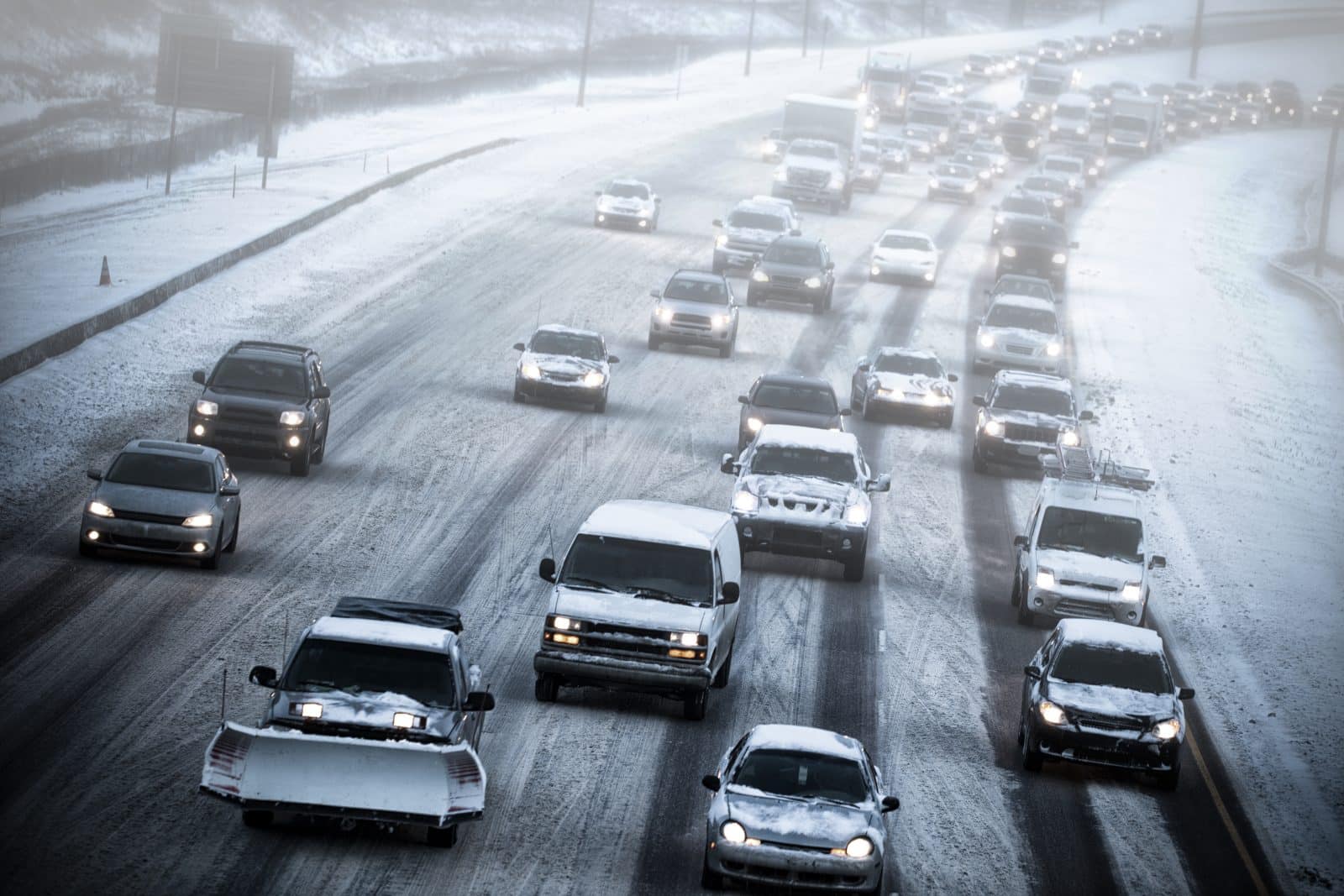
Winter weather can make driving in Tennessee especially hazardous due to snow, ice, slick roads, and reduced visibility. Safe winter driving depends on vehicle preparation, cautious driving habits, and awareness of changing road conditions. Even with the best precautions, other drivers may still cause crashes in icy conditions. If you need help after a winter weather car accident, The McMahan Law Firm has the professional experience you need to recover fair compensation.
Key Takeaways
- Give yourself extra time to warm up your car and defrost or clear all windows before driving in winter conditions.
- Keep gloves, an extra coat, an ice scraper, an emergency kit (including jumper cables and warning devices), and a first-aid kit in your vehicle.
- Make sure your battery is in good condition, your gas tank is more than half full, and all fluids and motor oil are suited for cold weather.
- Check your tire tread and pressure regularly, and replace tires when the tread is worn since cold temperatures can reduce traction.
- Avoid using windshield wipers to remove frost to prevent damaging the blades and reducing visibility.
- Slow down, increase following distance, and brake early and gently to stay safe on icy or slick roads. Approach steep hills slowly and with extra caution.
Share This Image on Your Site
Copy and paste the code below to add to your website.
Before You Go: How to Prepare for Winter Driving
Heading out for a drive in winter weather is more complicated than planning to go out on a warm, summer day. Before you head out, make sure that you:
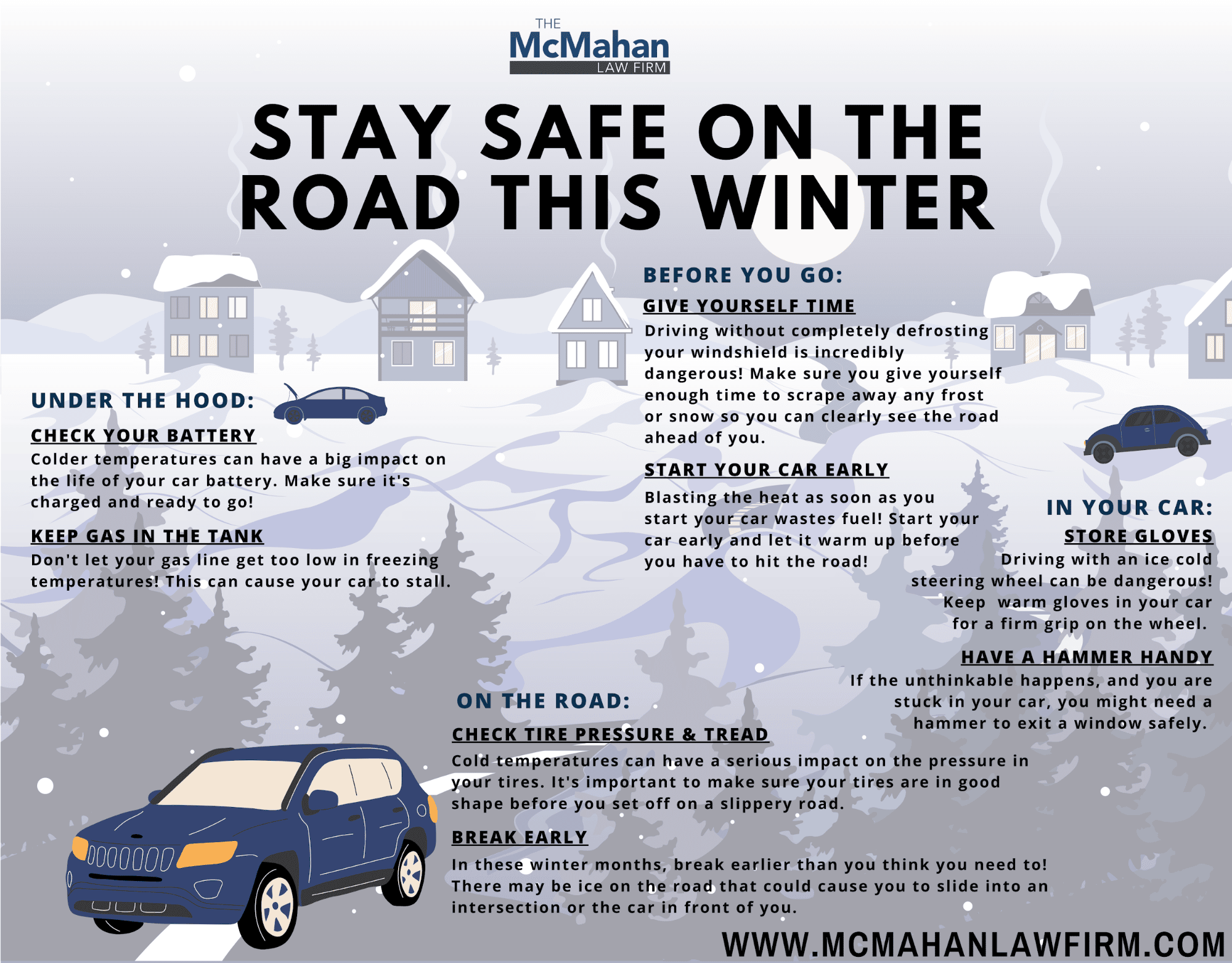
Give yourself a little more time. You may need to wake up a little earlier in the morning to give yourself time to defrost your windshield or dust any snow off your windows. Be sure your windows and windshield are completely clear before driving to stay safe! Giving yourself more time will also help you if conditions are slick and you need to travel a little more slowly to ensure you arrive at your destination safely.
Start your car and give it time to warm up. Before you hit the gas or blast the heat, let your engine warm up. A properly warmed engine will increase the lifespan of your vehicle and conserve your gas.
In Your Car: What Do You Need on Hand?
There are a few things you should keep in your car to make sure you are prepared for a winter drive. In colder conditions, make sure you have:
Gloves and an extra coat. A cold steering wheel is difficult to hold onto with cold fingers. Keep yourself safe and warm with a pair of gloves kept in the glove compartment. You should also keep an extra coat in your car in case you forget one.
An ice scraper. Living near the mountains can mean weather conditions are unpredictable. If an unexpected flurry rolls in, you will need to be able to clear away any snow or ice before starting your drive.
An emergency kit. Make sure you have all the items you need on hand: jumper cables, flashers or reflective triangles, and a basic tool kit.
A first-aid kit. Being able to administer basic first aid can help significantly in an emergency.
Under the Hood: Making Sure Your Car is Winter-Ready
Before the winter season begins, take the time to check under the hood. You may choose to take your car to a local shop to have it winterized, or you might choose to do it yourself. Check the battery before the cold rolls in to ensure that it’s fully charged and ready to carry you through the winter. Cold conditions can drain your battery quickly, so if it’s struggling to hold a charge or nearing the end of its cycle, replace it as soon as possible.
You should also:
Keep your gas tank more than half full. It’s better for the fuel pump and will help extend the life of your car. In addition, if you have adequate gas, you can keep your car idling for longer if you get stranded in the cold.
Make sure you have adequate fluids and motor oil. Check to make sure you have antifreeze in your coolant tank and that it isn’t too diluted, since you don’t want your fluids to freeze during the colder months.
On the Road: Staying Safe
In Tennessee, you won’t have to face very many icy days. You may, however, need to take several key steps to stay safer on the road in colder conditions.
Make sure you check your tire tread and pressure. Worn-down tires may not provide the traction you need on winter roads. If you notice your tires losing tread, make sure you replace them. It’s also important to remember that cold temperatures can affect your tire pressure, causing dangerous situations.
Avoid using your windshield wipers to remove frost. It could damage your wipers and prevent them from adequately clearing your windshield in the future. Most of the time, you won’t notice that damage until you’re already in trouble!
Give yourself time to slow down. In occasional icy conditions, give yourself more room between you and the car in front of you in case you need to stop on slick pavement. You should also apply pressure to your breaks well before you think you need to at an intersection and creep down Tennessee’s notoriously steep hills.
The McMahan Law Firm Will Fight for You
Even if you follow all of these Tennessee winter driving tips, you can’t always protect yourself from other drivers who drive recklessly in winter conditions. If you suffered injuries in a car accident caused by someone else, you deserve compensation. Jay & Brent at The McMahan Law Firm will help you seek the maximum compensation for your losses. Get your free case review today and let our experienced attorneys fight for you and the settlement you deserve.